
Why People Are Moving to Utah, Part 2: Lifestyle, Outdoor Access, and Quality of Life

In the first part of this series, we looked at the economic and housing forces attracting new residents to Utah. But for many people relocating, the decision isn’t just about jobs or home prices. It’s about lifestyle.
Utah offers a unique combination that’s becoming harder to find elsewhere: strong economic opportunity paired with immediate access to nature, family-oriented communities, and a pace of life that many newcomers describe as balanced and intentional.
This article explores the lifestyle factors that continue to draw people to Utah—and what that experience actually looks like day to day.

Outdoor Access That’s Part of Daily Life
One of Utah’s biggest lifestyle advantages is proximity to outdoor recreation. In many parts of the state, nature isn’t something you plan a vacation around—it’s something you can access before or after work.
Residents along the Wasatch Front often live within 30–60 minutes of:
Ski resorts
Hiking and mountain biking trails
Lakes and reservoirs
National parks and red rock desert landscapes
The state is home to five nationally recognized parks:
Zion National Park
Bryce Canyon National Park
Arches National Park
Canyonlands National Park
Capitol Reef National Park
While these parks attract millions of visitors each year, residents often spend more time exploring the countless state parks, trails, and mountain ranges that are less crowded but equally scenic.
For people relocating from larger urban regions, the biggest surprise is how accessible the outdoors really is.
Four Distinct Seasons
Utah experiences four true seasons, which shapes both lifestyle and recreation.
Winter
Winter brings snow to the mountains and ski season to some of the most recognized resorts in the United States. Resorts such as Park City Mountain Resort and Snowbird draw visitors from around the world.
For residents, this means winter weekends can include skiing, snowboarding, snowshoeing, or simply enjoying mountain scenery.
Spring
Spring in Utah often arrives quickly, bringing wildflowers to foothill trails and opening up hiking and cycling seasons.
Summer
Summers are typically warm and dry, with cooler temperatures in the mountains. Residents often escape valley heat by heading into nearby canyons or higher elevations.
Fall
Fall brings cooler temperatures, vibrant foliage in mountain areas, and some of the most comfortable hiking conditions of the year.
The seasonal variety keeps outdoor activities fresh throughout the year.
Access to Mountains, Deserts, and Lakes
Utah’s geography is unusually diverse for a single state.
Within a few hours’ drive, residents can experience:
Alpine mountain environments
High desert landscapes
Red rock canyons
Forested mountain ranges
Reservoirs and lakes
This diversity makes Utah particularly appealing for people who enjoy road trips, camping, climbing, mountain biking, off-roading, fishing, and photography.
Many residents develop a rhythm of exploring different regions throughout the year.
Communities Built Around Families
Utah consistently ranks among the youngest states in the country by median age. That demographic profile influences how communities are designed and how neighborhoods function.
Common characteristics include:
Numerous parks and playgrounds
Youth sports leagues and recreation programs
Strong public library systems
Community events and seasonal festivals
Neighborhood life tends to revolve around local schools, parks, and community activities rather than nightlife districts.
For families relocating from larger metropolitan areas, the strong focus on community life is often one of the most noticeable differences.
A Culture of Health and Recreation
Utah residents tend to prioritize physical activity and outdoor recreation. It’s common to see people:
Hiking before work
Trail running after work
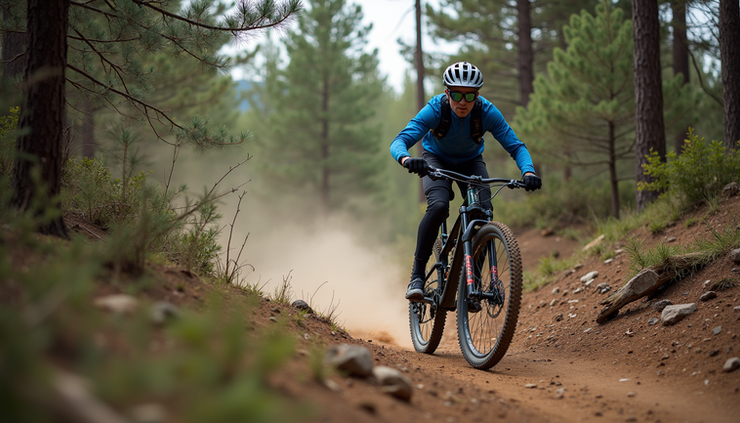
Mountain biking on weekends
Skiing during winter mornings
The culture around recreation extends beyond elite athletes. Many residents simply enjoy spending time outdoors, whether that means walking neighborhood trails, exploring nearby mountains, or visiting state parks.
This lifestyle contributes to Utah’s reputation as one of the more physically active states in the country.
Growing Cities Without Mega-City Density
Utah’s urban areas are growing rapidly, but they remain relatively manageable compared to large coastal metros.
Cities like Salt Lake City, Provo, and Ogden offer:
Expanding dining and entertainment scenes
Professional services and tech companies
Universities and research institutions
Cultural venues and local events
At the same time, commute distances and population density often remain more manageable than in many major metropolitan regions.
This balance appeals to professionals who want career opportunities without the pace and congestion of very large cities.
Central Location in the Western United States
Utah’s geographic position also makes it convenient for travel across the western U.S.
Within a few hours’ flight—or a longer weekend road trip—residents can reach destinations such as:
Las Vegas
Denver
Phoenix
Los Angeles
This central location allows residents to explore much of the western United States without relocating.
Education and Community Infrastructure
Utah communities tend to invest heavily in public infrastructure that supports families and long-term residents.
Common amenities include:
Recreation centers
Public parks and trail systems
School campuses integrated into neighborhoods
Community libraries and sports facilities
Many newer developments also include shared green spaces, walking paths, and neighborhood gathering areas.
These design elements reinforce the sense of community that many relocation buyers are seeking.
Quality of Life: A Balance Many People Are Seeking
Quality of life means different things to different people, but Utah consistently offers several advantages that resonate with newcomers:
Strong job market relative to population size
Immediate access to outdoor recreation
Family-oriented neighborhoods
Manageable urban density
Scenic natural landscapes
Four-season climate
For many households, the combination of these factors creates a lifestyle that feels both active and sustainable.
What Surprises Some New Residents
Even people who move to Utah specifically for lifestyle reasons sometimes discover things they didn’t expect.
Common surprises include:
How quickly you can transition from city to wilderness
How integrated outdoor recreation is with everyday routines
How many community events revolve around seasons and local traditions
How rapidly some areas are growing
Understanding these dynamics ahead of time helps relocation buyers choose locations that best match their lifestyle goals.
The Bottom Line
Utah’s appeal isn’t built on a single feature. It’s the combination of opportunity, environment, and community that continues to attract new residents from across the country.
For many people moving here, the biggest change isn’t just a new house or a new job—it’s a different rhythm of life that places a stronger emphasis on community, recreation, and connection to the outdoors.


Comments